Business
You Gave Yourself a Pay Cut This Year (And You Probably Don't Even Know It)
Everything went up. Except your prices.
Your landlord raised your rent. Your product suppliers raised their prices. Your hydro bill went up. Your insurance went up. Gas went up. Everything went up.
Your prices stayed the same.
Which means you gave yourself a pay cut. Not a small one, either. If your costs increased 8% and your prices didn't move, you're now making 8% less profit on every service. On a $400,000 salon, that's $32,000 that vanished from your bottom line without a single client leaving.

The math is simple. If costs go up and prices don't, profit goes down. Every month you wait costs you more.
The Real Cost of a $65 Haircut
Let's strip a typical Ontario salon service down to its actual costs. A one-hour appointment priced at $65:
Stylist wages (including vacation, benefits, CPP/EI): $25-30.
Back-bar product cost: $3-5.
Rent allocated per chair per hour: $8-12.
Utilities, insurance, software, supplies: $4-6.
Your own compensation as the owner: $10-15.
Total cost: $50-68.
At $65 revenue, you're either breaking even or losing money on every appointment. If this math makes you uncomfortable, good. It should.
Why Your Clients Won't Leave
This is the fear that keeps prices flat: "If I raise prices, I'll lose clients."
Here's what the data actually shows from Metro Beauty partner salons that implemented price increases:
Average client loss after a 5-8% price increase: 3-5%.
Average revenue increase: 12-18%.
Net result: more revenue, fewer clients, higher profit per appointment, less burnout.
The clients you lose to a 5-8% increase are the ones who were never loyal to you — they were loyal to your price. They would have left anyway the moment a Groupon appeared from the salon next door.
Letting them go is not a loss. It's a business decision that makes room for clients who value your expertise.
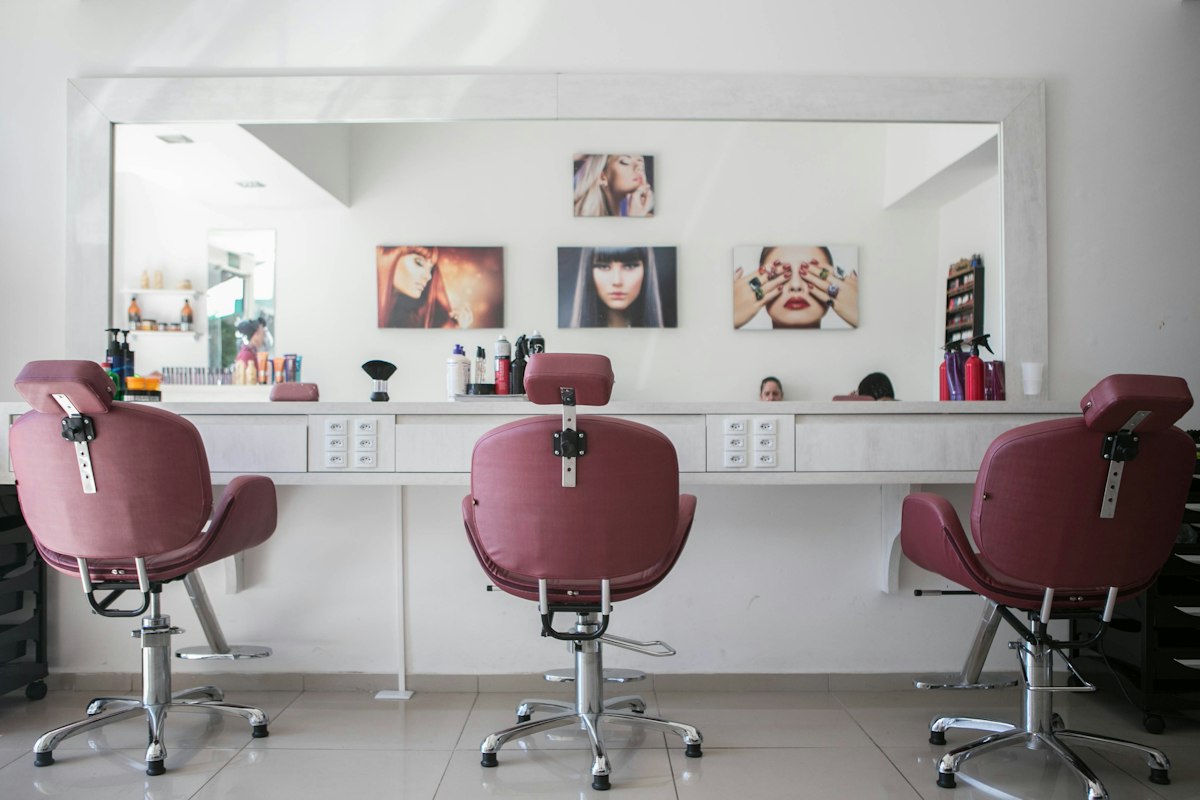
The salons that price with confidence are the ones that thrive. The ones that underprice burn out.
The Communication Template That Works
Send this email 30 days before your increase takes effect:
"Dear [client],
We're writing to let you know that effective [date], our service prices will be updated. This is something we review annually to ensure we can continue investing in the best professional products, ongoing education with world-class educators, and the salon experience you deserve.
We're grateful for your loyalty and look forward to continuing to care for you and your hair.
Warm regards, [Salon name]"
No apology. No justification. You're a professional service provider communicating a standard annual adjustment. Your dentist doesn't write three paragraphs explaining why a cleaning costs more. Neither should you.
The Tiered Menu: Your Biggest Untapped Revenue Lever
If every client gets the same service at the same price, you're leaving money on the table. Build three tiers:
Essential ($65-85): Core service with professional products. Your baseline.
Elevated ($95-120): Core service plus a treatment add-on — a Davines NaturalTech scalp treatment, or a Rica Volcanic Elixir mirror-shine service. These add-ons cost you $5-8 in product and 10 minutes of time. The client perceives $40+ in additional value.
Signature ($130-165): The full experience. Extended consultation, premium treatment, editorial finishing, a take-home sample, and a follow-up message 48 hours later.
The magic: 60-70% pick Essential. 20-25% pick Elevated. 10-15% pick Signature. That 30-40% choosing higher tiers increases your average ticket by 15-25% with zero sales pressure.
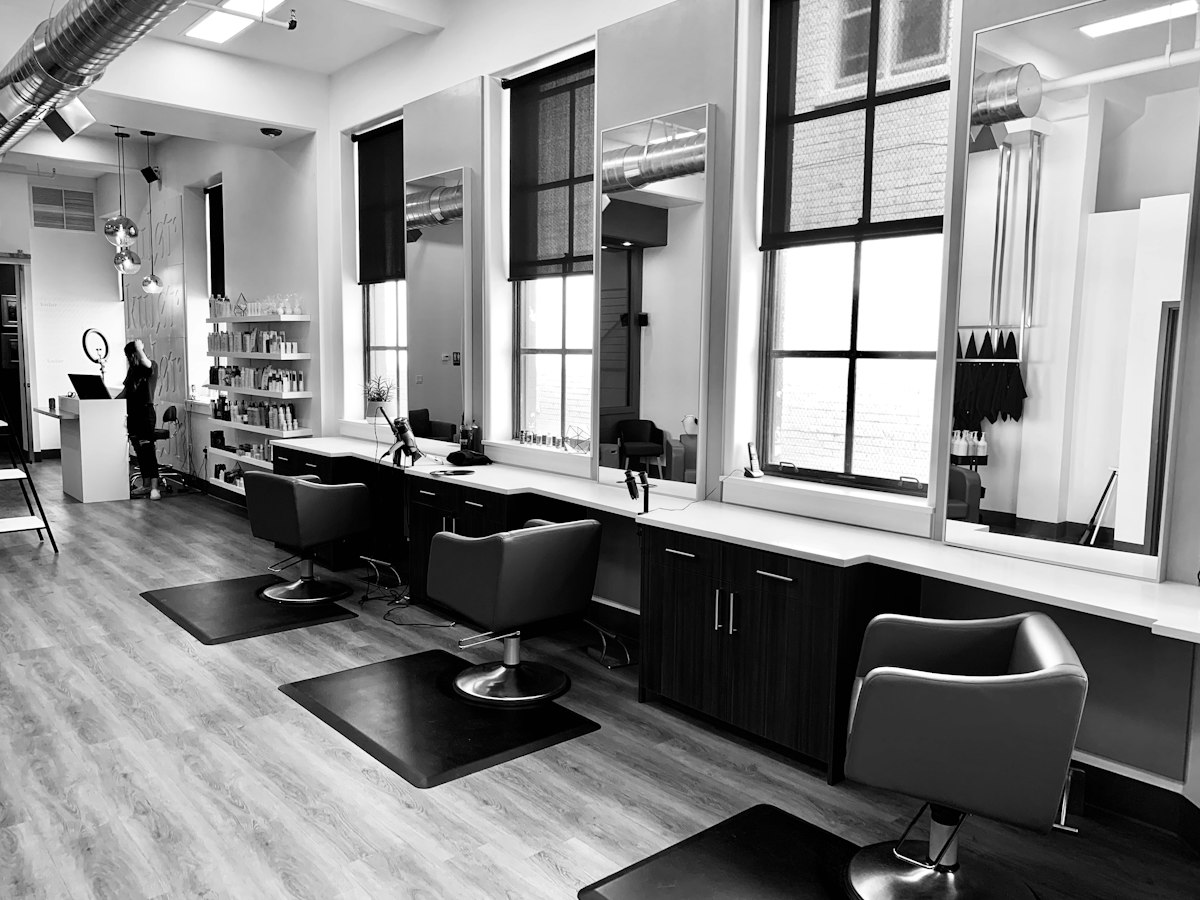
Essential, Elevated, Signature — let the client choose their experience level. You'll be surprised how many choose to invest more.
One More Uncomfortable Truth
If you're carrying premium brands like Davines, Rica, Eufora, and Sachajuan — brands built on quality, sustainability, and craftsmanship — but pricing your services at the same level as the salon using commodity products, you're creating a disconnect your clients can feel.
Premium products in the back bar deserve premium service pricing on the menu. When they match, everything clicks: the products justify the price, the price reflects the expertise, and the client experience feels coherent.
Metro Beauty's Financial Fitness course with Steve Gomez covers pricing strategy, profit margins, and financial planning. Check the course calendar for upcoming sessions, or reach out to our business consulting team for a one-on-one pricing review.
Ready to elevate your salon?
Join 1,000+ partner salons across Canada who trust Metro Beauty for premium brands, education, and support.